



 0883.656676
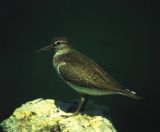
About 90 cm long, its plumage is grey on the back and white on the head and the neck, with a black stripe on both sides of the body. It is characterized by his very long neck and legs and his long straight beak.
In Italy it especially occurs in rice-fields in Piedmont and in the plain of the Po, but can also be found by the sea-shore and in lagoons. In the rest of the world this species is spread throughout the African and the Asian continents.
Food and feeding
It feeds in shallow water, catching fish, frogs, and insects with its long bill. Herons will also take small mammals and reptiles. They occasionally take birds up to the size of a Water Rail.It will often wait motionless for prey, or slowly stalk its victim.
City life
In the Netherlands, the Grey Heron has established itself over the past decades in great numbers in urban environments. In cities like Amsterdam, they are ever present and well adapted to modern city life. They hunt as usual but also visit street markets and snackbars. They are also present at the zoo during feeding times for penguins, pelicans and seals. Some individuals make use of people feeding them at their homes or recreational fishermen to share their catch. Similar behaviour on a smaller scale has been reported in Ireland.
Breeding
This species breeds in colonies in trees close to lakes, the seashore or other wetlands, although it will also nest in reedbeds.
It builds a bulky stick nest.
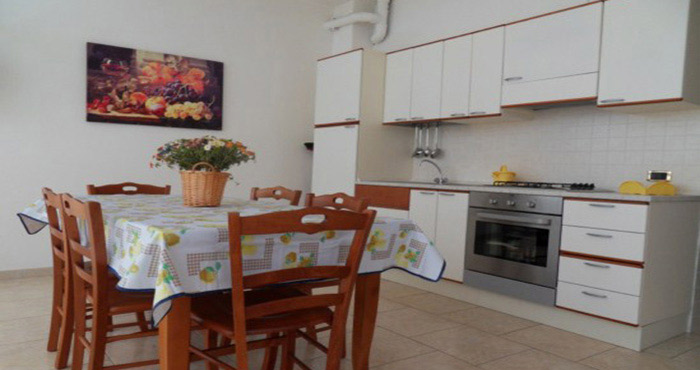
apartament
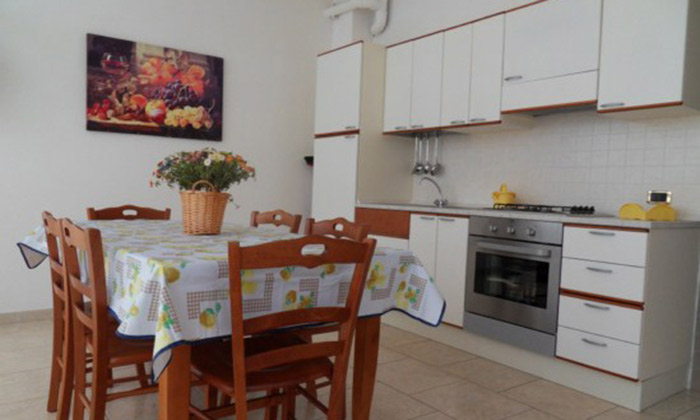
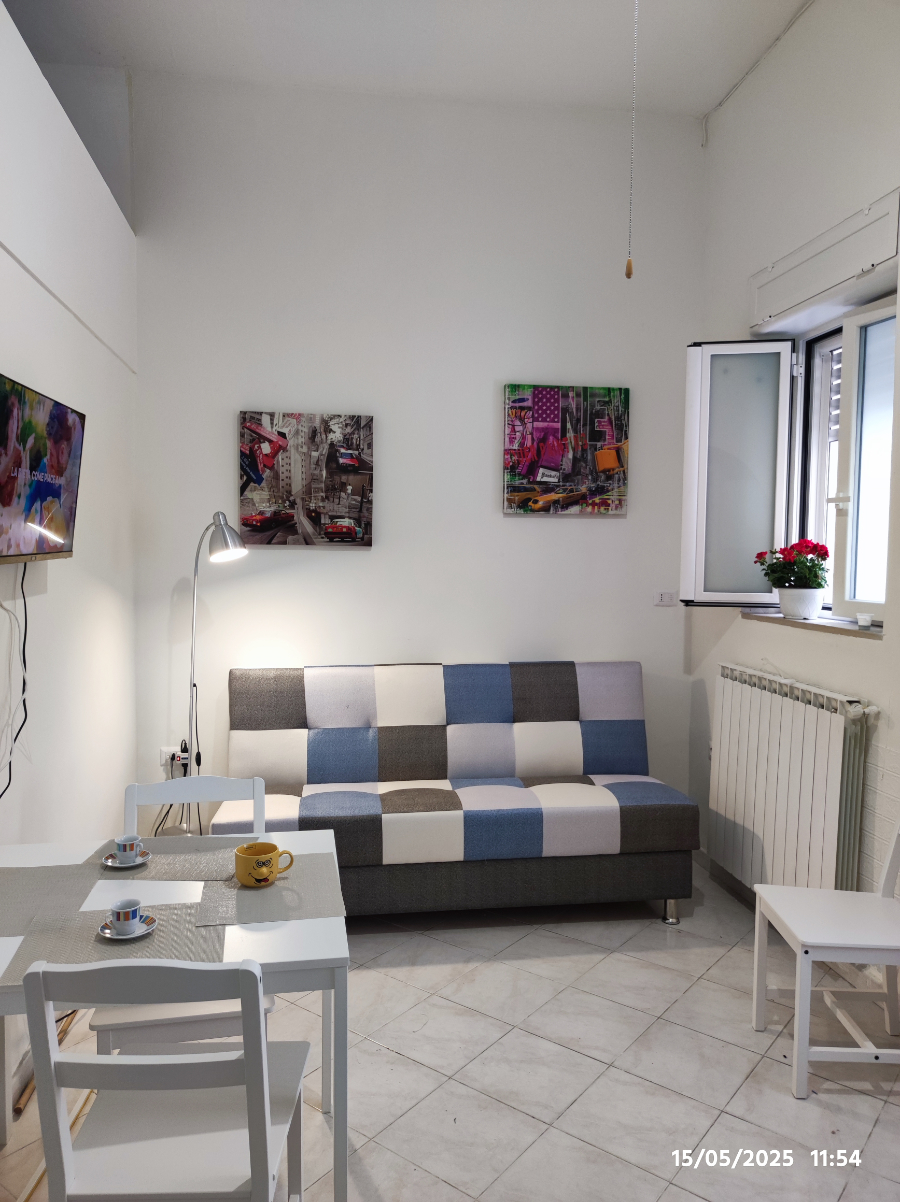
Bed and Breakfast
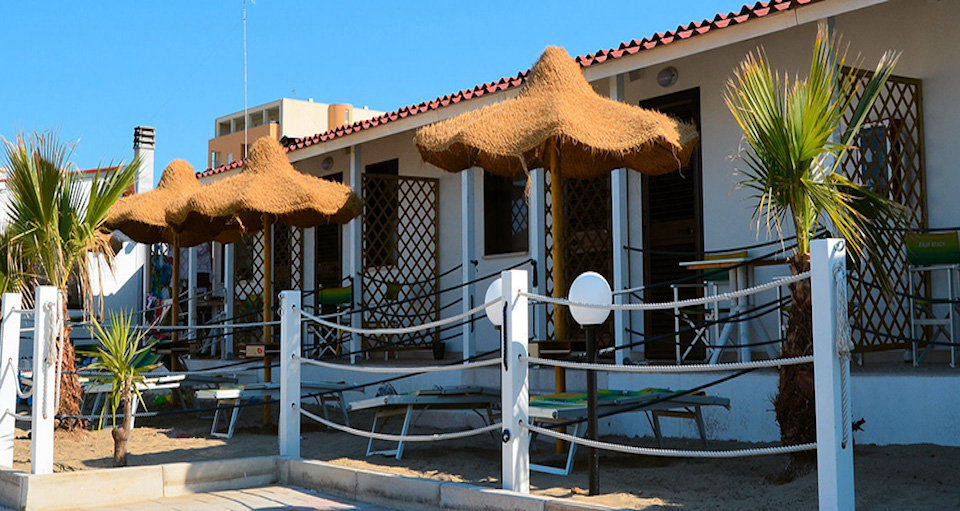
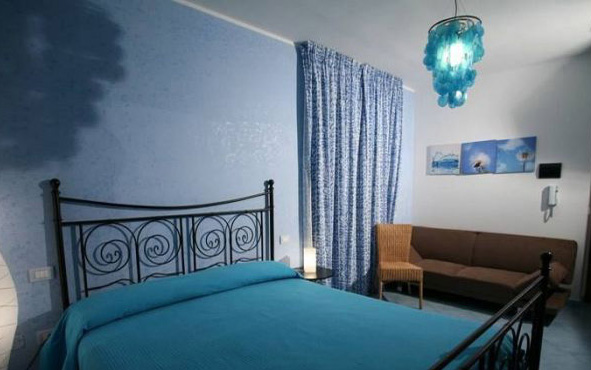
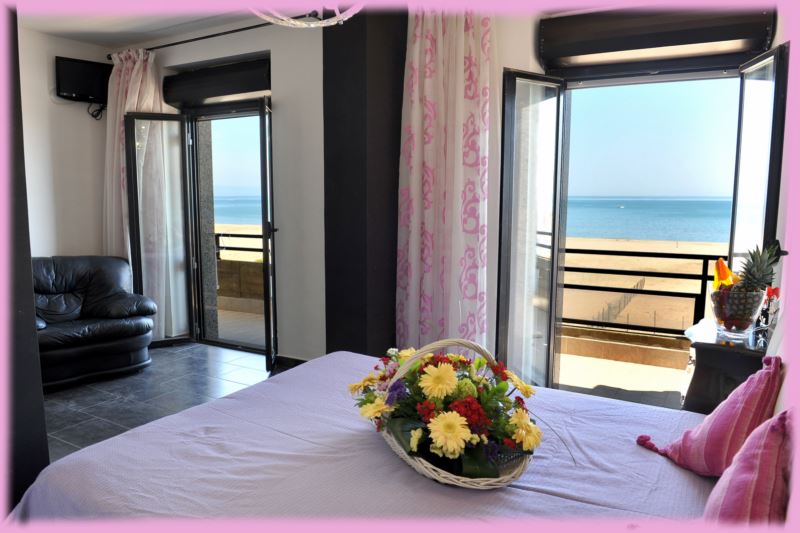
Offers

Torquemada
B&B - Ristorante
-

Mobydick
sosta camper
-

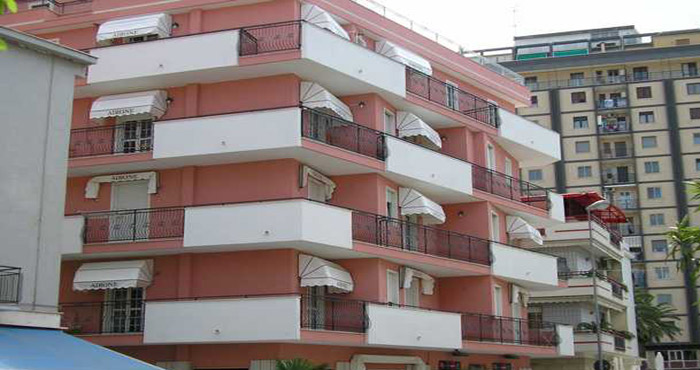
Regina Camere
Bed and Breakfast
Who is online
We have 35 guests and 0 users online.
the greater flamingos
-
 The flamingos belong to one of the oldest Order...
 -
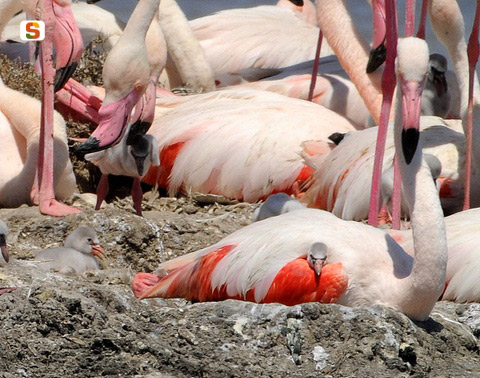 Flamingos only nidificate in rather big colonie...
 -
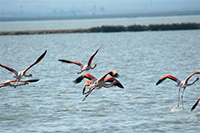 The greater flamingos chiefly occur in lagoons ...
 -
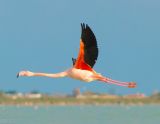 The colour of the feathers of flamingos is due ...
 -
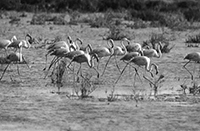 The diet of flamingos is mainly made up of aqua...
 -
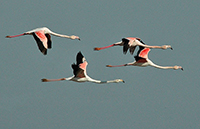 Flamingos are no doubt more famous for their be...
 -
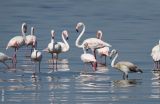 Men have always thought of flamingos as somethi...
 -
 But the most serious threat to the flamingo is ...
 -
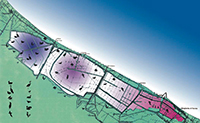 In 1977 the salt-pans of Margherita di Savoia b...
The Wetland
-
In the flat heart of Daunia, on the border between the provinces of Foggia an...
-
 The Ramsar Convention (The Convention on Wetlands of International Importance...
 -
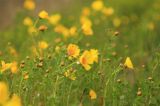 In Apulia wetlands, vegetation has needed to adapt itself to the peculiar env...
 -
 Apulia offers some of the most significant examples of coastal wetlands. Part...
 -
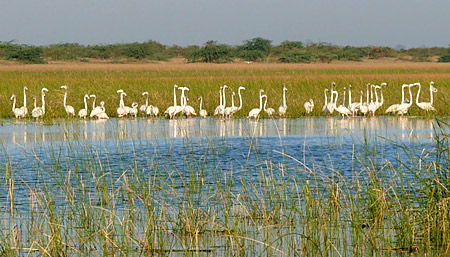 Wetlands are those natural or artificial areas with presence of water, whethe...
The City
-
 from the book 'Paese Mio' by Emanuele A...
 -
 sono terreni nati a seguito della bonifica dell...
 -
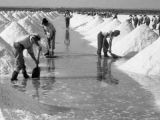 The return of the inhabitants to the original t...
 -
 main numbers of general interest
 -
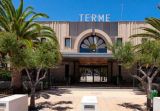 Margherita di Savoia Spa stands on a vast area ...
 -
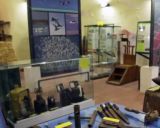 Located in Margherita di Savoia in Corso Vittor...
 -
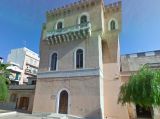 Seat of the municipal art gallery
 -
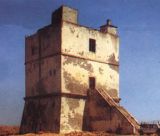 going north of Margherita di Savoia, on the mai...
The Saltpan
-
 The saltpan stretches on a strip of land approximately 20...
 -
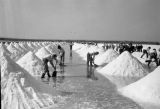 La storia di Margherita di Savoia vive da sempre in perfe...
 -
 Le paludi sono ambienti di notevole interesse naturalisti...
 -
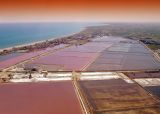 In ancient times here was Lake Salpi, a coastal basin wit...
 -
 la fauna è spiccatamente ornitica, anche se non è da tras...