



 0883.656676
Pink flamingo
-
The flamingos belong to one of the oldest Order...
-
Flamingos only nidificate in rather big colonie...
-
The greater flamingos chiefly occur in lagoons ...
-
The colour of the feathers of flamingos is due ...
-
The diet of flamingos is mainly made up of aqua...
-
Flamingos are no doubt more famous for their be...
-
Men have always thought of flamingos as somethi...
-
But the most serious threat to the flamingo is ...
-
In 1977 the salt-pans of Margherita di Savoia b...

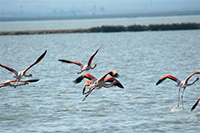
The greater flamingos chiefly occur in lagoons and salt or brackish ponds on the coast, wide deltaic areas and slimy expanses.

They can even be found in not deep lakes in the inland, both salt and alkaline, so long as water is not deeper than 1 metre. Flamingos as a rule are very sensitive to human presence, but they sometimes frequent artificial environments (such as the salt-pans of Margherita di Savoia).
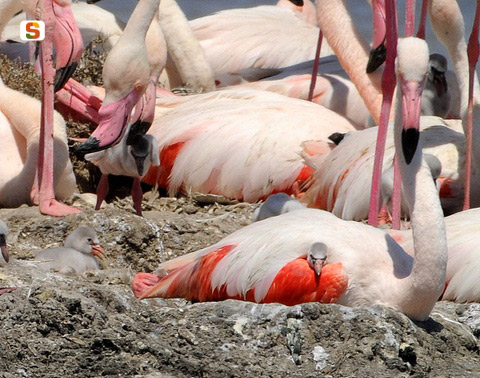
They nidificate on small sandy or slimy islands, which just emerge from the surface of water. The presence of slime and sparse vegetation seems to be very important for the choice of the sites, even if some colonies have been found on small stony islands. In the salt-pans of Margherita di Savoia the wintering of some specimens of flamingos became more frequent since 1992 and in 1995 the first attempt at nidificating (11 nests) in the reserve was recorded.
In 1996 a colony of 250 specimens settled here and it grew in 1997, following the birth of 180 youngs.

Offers
Who is online
We have 48 guests and 0 users online.
the greater flamingos
-
 The flamingos belong to one of the oldest Order...
 -
 Flamingos only nidificate in rather big colonie...
 -
 The greater flamingos chiefly occur in lagoons ...
 -
 The colour of the feathers of flamingos is due ...
 -
 The diet of flamingos is mainly made up of aqua...
 -
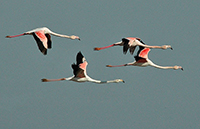 Flamingos are no doubt more famous for their be...
 -
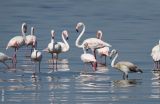 Men have always thought of flamingos as somethi...
 -
 But the most serious threat to the flamingo is ...
 -
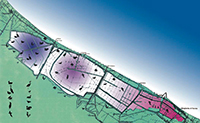 In 1977 the salt-pans of Margherita di Savoia b...
The Wetland
-
In the flat heart of Daunia, on the border between the provinces of Foggia an...
-
 The Ramsar Convention (The Convention on Wetlands of International Importance...
 -
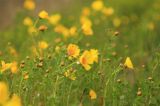 In Apulia wetlands, vegetation has needed to adapt itself to the peculiar env...
 -
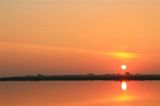 Apulia offers some of the most significant examples of coastal wetlands. Part...
 -
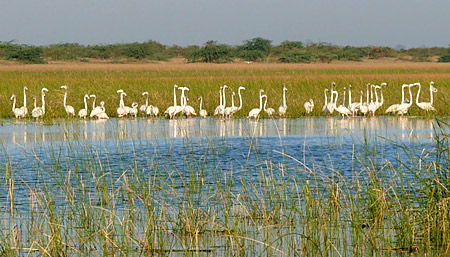 Wetlands are those natural or artificial areas with presence of water, whethe...
The City
-
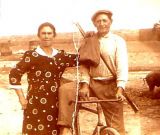 from the book 'Paese Mio' by Emanuele A...
 -
 sono terreni nati a seguito della bonifica dell...
 -
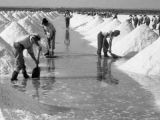 The return of the inhabitants to the original t...
 -
 main numbers of general interest
 -
 Margherita di Savoia Spa stands on a vast area ...
 -
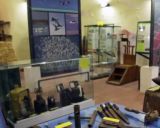 Located in Margherita di Savoia in Corso Vittor...
 -
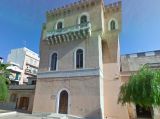 Seat of the municipal art gallery
 -
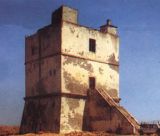 going north of Margherita di Savoia, on the mai...
The Saltpan
-
 The saltpan stretches on a strip of land approximately 20...
 -
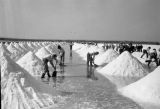 La storia di Margherita di Savoia vive da sempre in perfe...
 -
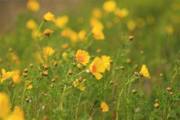 Le paludi sono ambienti di notevole interesse naturalisti...
 -
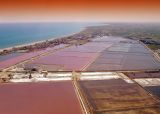 In ancient times here was Lake Salpi, a coastal basin wit...
 -
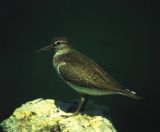 la fauna è spiccatamente ornitica, anche se non è da tras...